



Cloud-based phone systems are the biggest technological change to happen to the phone system world since the digital phone system stepped onto the scene 109 years ago. Many businesses who are looking to upgrade their phone system often think a cloud-based phone system is the best option but this isn’t always the case. In this article, we will discuss everything you will need to know about cloud-based phone systems. From what they are, to their advantages and disadvantages.
What is a Cloud-Based Phone System?
A cloud-based phone system is completely different to the traditional analogue phone system you may be familiar with (and currently have in your business). Rather than being a physical phone system that is located in your building, a cloud-based phone system is a virtual system that will be located in a data centre somewhere in the world. Instead of your calls being routed through fixed phone lines, they will be routed in and out via the internet. Because of this, cloud-based phone systems are often referred to as internet or VOIP (Voice Over Internet Protocol) phone systems.
What are the Benefits of a Cloud Based Phone System?
The main benefit of a cloud-based phone system is that it usually costs less money to make calls, meaning it can be cheaper than a landline. You can also improve the flexibility of where you can make and receive calls with a cloud-based phone system. As your phone system runs through the internet, you can work from wherever you have a connection – meaning you don’t have to be confined to your office.
What are the Disadvantages?
However, the major downside to your phone system running off of an internet connection is that if your internet goes down, or you can’t find an internet connection, you will not be able to make calls at all. You can often experience a lot of downtime with your phone lines due to poor connection and this can make it hard for your clients to get through to you.
Large businesses who pay for a leased line (dedicated high-speed internet connection) usually have little troubles with their phone cutting out as their internet connection is strong enough to support their phone system. However smaller businesses, who tend to have a more standard internet connection, often have a lot of trouble with phones cutting out or being crackly and unclear. This is due to their internet speed not being strong enough to support a purely cloud-based phone system. This can mean there are times where you are unable to use your phones. This is hardly ideal when you have suppliers, clients, prospective clients and other stakeholders that are trying to get through to you.
Introducing the Hybrid Phone System
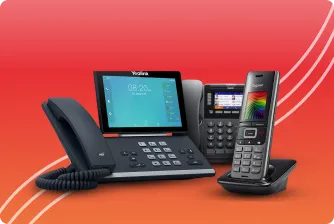
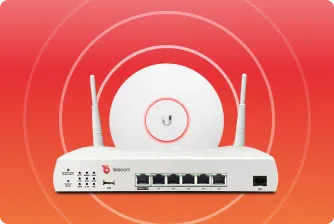
Yo Telecom present to you the Hybrid Phone System. The perfect mix of a cloud-based, internet, phone system and a traditional analogue phone system. Meaning you get all the benefits of a cloud-based phone system, but the added reliability of a digital phone system. So, if your internet cuts out, your phone system will be able to route your calls in and out through a backup line. Small to medium-sized businesses who are looking to upgrade their current phone system will be better suited to this type of system.
As well as being the most reliable type of phone system, hybrid phone systems also have a range of features that can help to improve your communication and increase your success. You can find a list of a few of these features below:
- Call Recording
Make calling your business a positive experience by monitoring and improving the way your staff interact with your clients. If a caller has a bad experience on the phone with you, it can be damaging to your reputation, which can lead to a loss in revenue. With Call Recording you can listen to any call that has been made or received. So you can listen to a few calls a week to guide your staff on where they can improve. This feature can also be used to quickly and easily settle disputes. If there is a disagreement about something that has been said over the phone, you can simply listen to the recording and use it as evidence.
Never let an answered call turn into a missed opportunity, bad impression or upset caller again. You may miss calls when you’re busy on the line, helping clients or when you’re closed – but they will all soon add up. Call Logging works exactly like the call log on your mobile phone, alerting you as soon as you receive a missed call. So you can easily keep track and return those missed calls – preventing missed opportunities from happening.
- Call Transfer
Help your callers speak to the person they need to, fast! With Call Transfer, running around your building to pass the phone to a colleague is a thing of the past. It’s just one touch of a button to transfer a call to any other handset (cordless or fixed) in your building. You can even transfer your calls to an outside line if you need to – such as a director or manager’s mobile phone.
- Call Waiting
Rather than your callers getting the infuriating engaged tone while your team are busy on the phone this feature will automatically greet the caller, notify them you’re busy and play them some announcements or music while they wait for you. This helps to keep your callers interested and on the line rather than hanging up and heading straight back to Google to look at your competitors.
- Auto Attendant
Auto Attendant is a feature that will allow you to give your callers a message before you have even answered the phone. For example: ‘Thank you for calling [name of business]. If you are calling to enquire about our products, please press 1. If you would like to speak to a member of our customer’s services team, please press 2. For any other enquiries, please hold the line and we will connect you.’ This gives your callers peace of mind that they are speaking to the right person.
- Statistics Wall Board
With the number of calls your business receives, it can be hard to keep up. With a statistics wall board you can track important information such as; how long it takes your staff to answer, how many calls they have taken, how many they have missed and average call length. You can use this to set targets for your staff on areas they need to improve and reward them for the things they are doing well.
- Headset Connectivity
Give your staff freedom to move around the office with headset connectivity. Rather than being sat down at their desk all day, this feature will allow them to take calls via a headset so they’re free to take calls from anywhere in your building. This also helps to increase productivity by giving them use of both hands while on the phone, so they can make important notes about the call while they’re on the line.
Often you will need to put your callers on hold while you try to answer their questions. This feature will allow you to fill those awkward silences by playing marketing messages to your callers while they wait for you on hold. This will help to give them a better understanding of the products and services you provide. Or, you can use this time to promote any special offers and deals you may have at that time. Alternatively, we will find you the perfect piece of music to keep your callers entertained.
What do our Clients Say About the Yo Telecom Hybrid Phone System?
One of our core values here at Yo Telecom is to be loyal, honest and humble – so we like to let our clients and their success do the talking.
You can see what our clients have to say about our Hybrid Phone Systems by watching the videos below!
3 Step Plan to Increase the Success of Your Business
1. Book a Demo
Book a free demonstration to see our phone systems in action by calling 02382 146115.
2. Sign up for the Option that Suits the Needs of Your Business
One of our expert telecoms consultants will come to your business to discuss all of your options until we have found the perfect solution for you.
3. Let us Take Care of a Hassle Free Installation and Training
Your delivery and installation date will be booked on a day that works for you. We’ll take care of the whole switch over and train you to make the most of all of the features of your new phone system.